More than half of Haiti’s population—approximately 5.7 to 6 million people—are experiencing acute food insecurity. Currency depreciation, inflationary pressures, and fuel shortages have significantly increased the cost of imported staples, which account for nearly 80% of national consumption. Market access remains inconsistent due to insecurity, further limiting household purchasing power and food availability.
An estimated one million children face acute hunger, placing them at immediate risk of malnutrition and preventable illness. Chronic undernutrition contributes to stunting, impaired cognitive development, weakened immunity, and increased susceptibility to disease. Early childhood nutritional deficits have long-term implications for educational attainment and future economic productivity.
Nearly 88% of households report that at least one member went an entire day without eating within the previous month. Families increasingly rely on negative coping mechanisms, including reduced meal frequency, lower dietary diversity, and asset liquidation to secure food. These patterns reflect systemic food deprivation rather than short-term seasonal shortage.
An estimated one million children face acute hunger, placing them at immediate risk of malnutrition and preventable illness. Chronic undernutrition contributes to stunting, impaired cognitive development, weakened immunity, and increased susceptibility to disease. Early childhood nutritional deficits have long-term implications for educational attainment and future economic productivity.

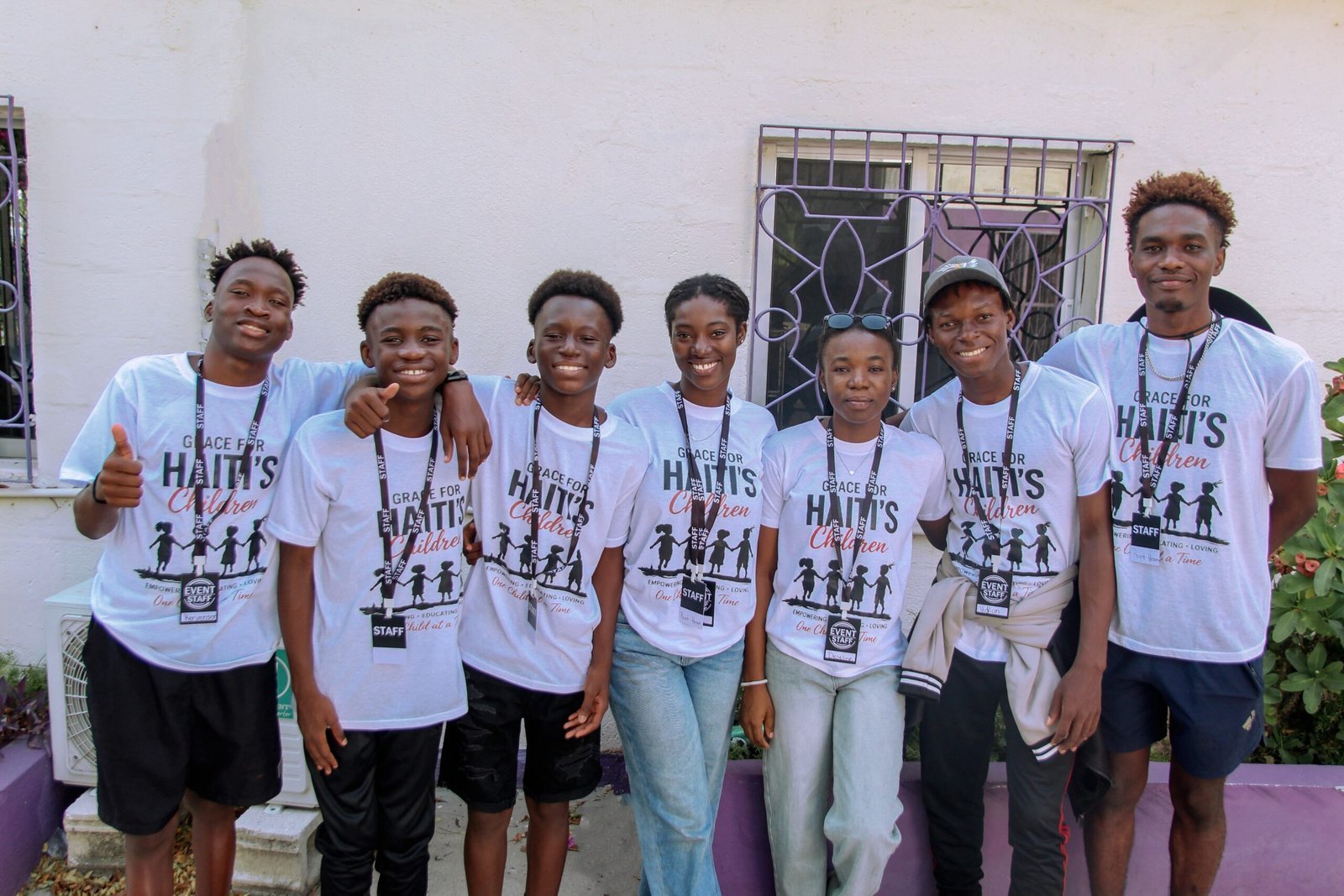
Access to consistent, nutritious food remains one of the most pressing challenges facing vulnerable children and families in the communities we serve. Food insecurity undermines physical health, cognitive development, and educational progress.
Through our Meals That Matter Initiative, we provide structured school-based meal support to children at the local school we partner with, distribute prepared meals to unsheltered children within the surrounding community, and deliver seasonal food assistance to vulnerable families and elderly individuals.
Our approach extends beyond short-term relief. By strengthening household food stability and ensuring reliable access to nutrition, we contribute to healthier development, improved school attendance, and greater community resilience.
Nutritious school meals provided monthly to children enrolled in the local school we support.
Prepared meals served monthly to unsheltered children within the community.
Families and elderly individuals supported through ongoing food assistance initiatives.
In Haiti, limited family resources mean many children attend school without adequate nutrition. Since 2022, Grace for Haiti Children has partnered with Institution Les Erudits in Port-au-Prince to provide daily lunches to 200 students—often their only meal of the day. Access to a nutritious school lunch is critical for children’s physical growth, cognitive development, and academic success. By ensuring students are well-fed, this program strengthens their ability to concentrate, participate actively in class, and pursue their educational goals
We recognize that parents play a critical role in their children’s growth and well-being. In Haiti, many families face severe economic and social hardships, where consistent support can determine whether a child experiences stability or vulnerability. Many of the parents we serve—especially mothers—work long hours to provide for their households. Through our community center, we provide practical resources, guidance, daily nutritious meals, and take-home food kits for children to bring to their families. By addressing both immediate and ongoing needs, our holistic approach strengthens households and safeguards children from adverse circumstances.
The Saturday Meals Program delivers a hot, nutritious meal each week to unsheltered children facing acute food insecurity. Beyond addressing immediate hunger, the program provides a consistent and reliable source of support in environments often marked by instability.
This dependable access to nourishment promotes physical health, reinforces a sense of dignity and security, and contributes to improved emotional well-being. By ensuring that at least one meal is guaranteed each week, the program helps mitigate the effects of chronic hardship and supports healthier developmental outcomes.
Displacement disrupts livelihoods and access to essential resources, placing families at significant risk of food insecurity and malnutrition. Food security programs provide timely, nutritionally adequate assistance to stabilize vulnerable households and protect child development. By combining emergency relief with resilience-focused support, these initiatives strengthen dignity, reduce harmful coping strategies, and promote sustainable recovery.
School Lunch Program
$600 provides one month of nutritious school lunches including rice, beans, spaghetti, and other staples.
Holistic Seasonal Food Support
$800 covers seasonal food assistance for vulnerable families and elderly individuals.
Saturday Feeding Program
$500 funds one month of Saturday meal distributions.
Food Support for Displaced Families
$1,000 provides food support for displaced households.
School Lunch Program
$600 monthly ensures consistent access to nutritious meals for students.
Holistic Seasonal Food Support
$800 monthly sustains food assistance for families and elderly individuals.
Saturday Feeding Program
$500 monthly maintains weekend meal distribution.
Food Support for Displaced Families
$1,000 monthly provides stable food access for displaced households.
Empowering families in rural Haitian communities through education, nutrition, and opportunity since 2022.