Extreme Poverty Rate – 2 million Haitians survive on less than $2.15 per day.
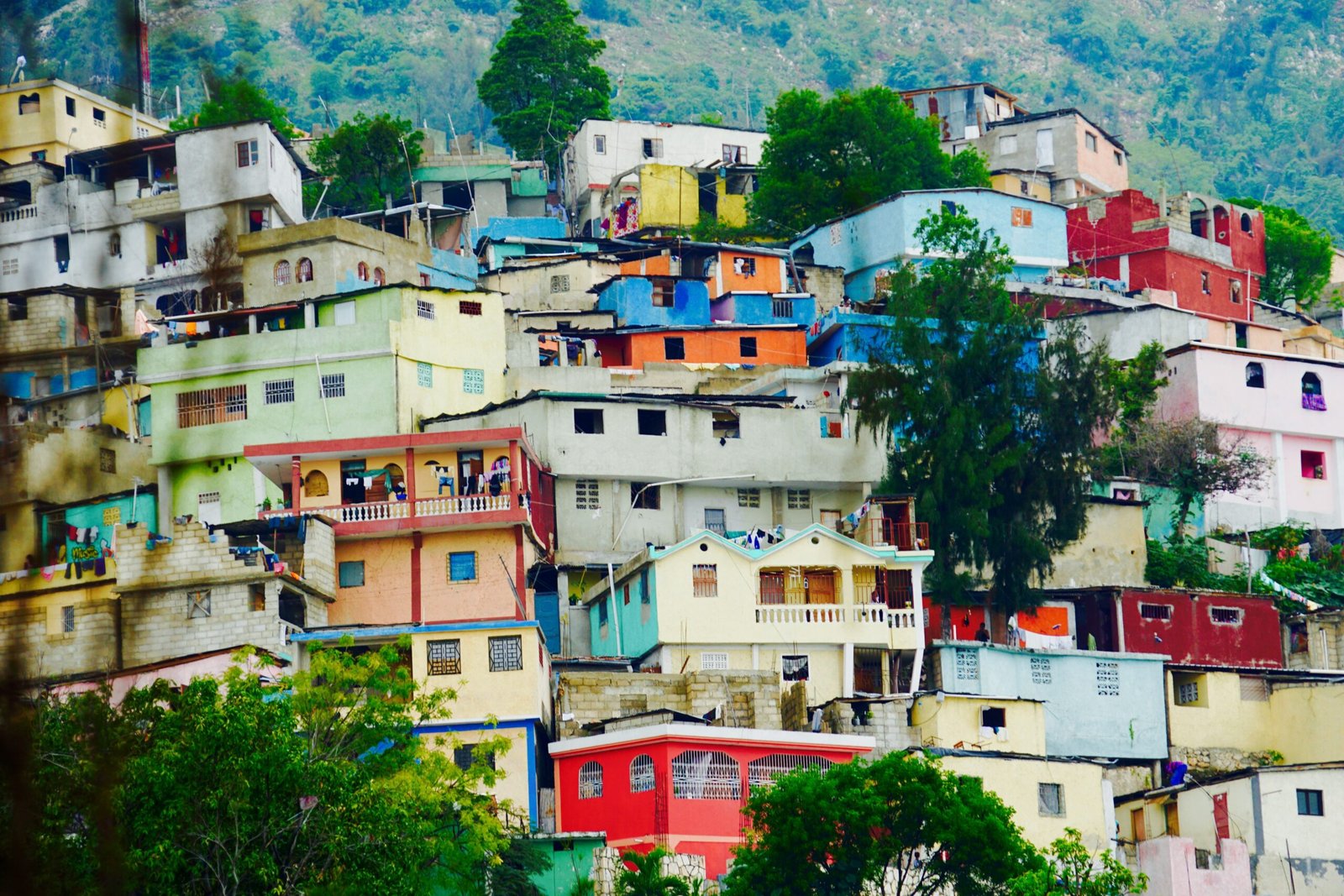
Haiti, the first black nation to achieve independence, broke free from French rule in 1804.
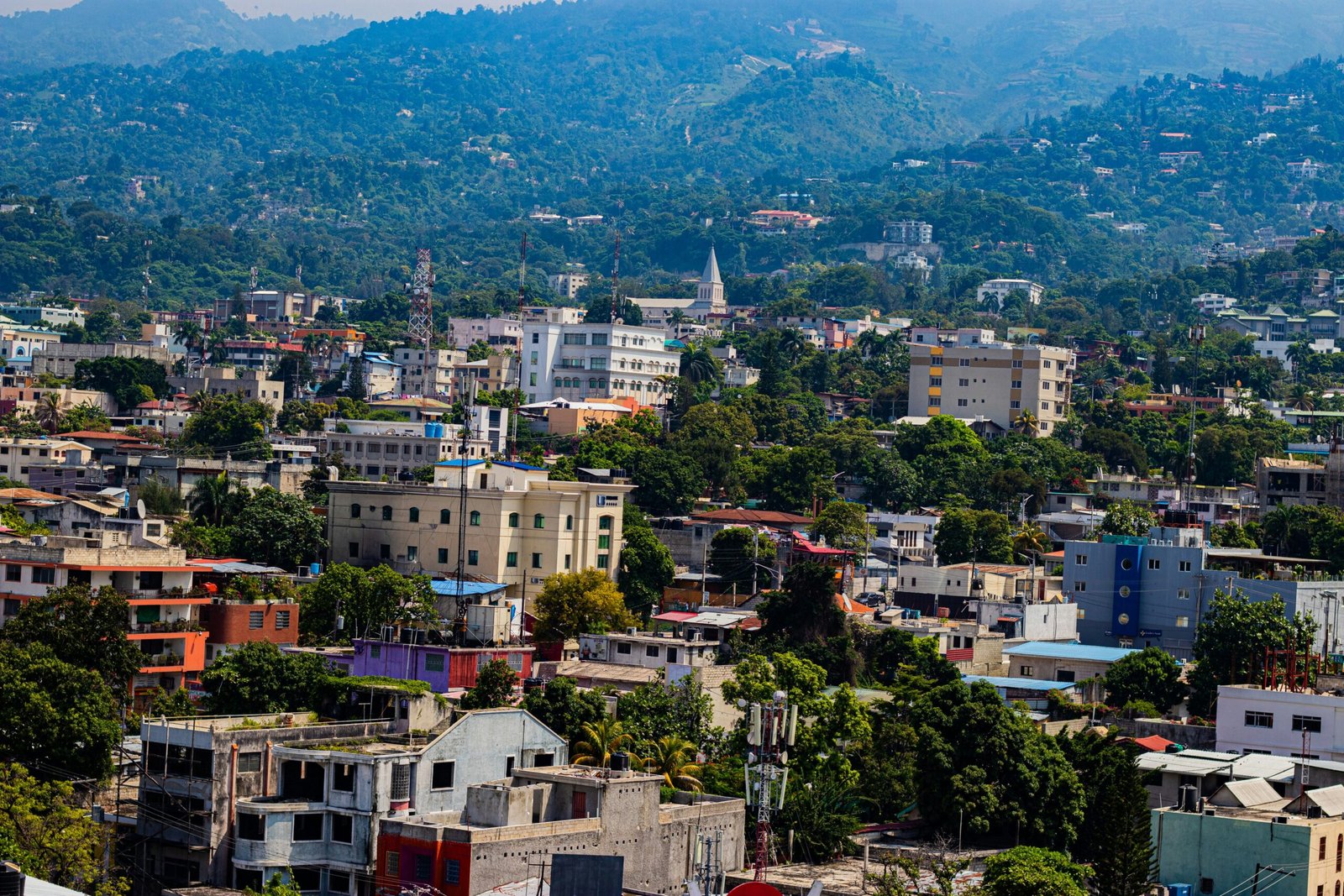
Haiti is located in the Caribbean, just south of Miami, Florida. It shares the western third of the island of Hispaniola with the Dominican Republic. "Ayiti" (the country's local name) means "land of high mountains." In the 1940s and 1950s, Haiti was known as the "Pearl of the Antilles," a popular American and European vacation destination. Unfortunately, Haiti has remained the Western Hemisphere's poorest country for decades for various complex political, economic, and geographic reasons. . National Statistics • Temperature: Daily temperatures typically range between 19°C and 28°C in the winter and 23°C to 33°C during the summer months • Haiti's size: Haiti's total area is 27,560 square kilometers (10,641 sq mi). • population: 11.5 Million people • Poverty rate: In 2021, poverty is likely to increase to 87.6% ($6.85/day ), 58.7%($3.65/day), and 30.32% when using the extreme poverty line ($2.15/day). Haiti is also among the countries with the greatest inequality in the region. • Capital: Port-au-Prince ( containing 3.5 + people ) • Official languages: Haitian Creole and French French is used mostly in the school system & Haitian Creole is the mother language.
Education Statics
The traditional school year lasts from September to June. More than 80% of all schools are tuition-based and private. More than half of Haitian children (600,000) do not attend school. Approximately 50% of rural children aged 6 to 11 can't participate in afford to go to school.
.• Approximately 50% of rural children ages 6-11 will never go to school
• More than 80% of all schools are private and tuition-based
• More than 50% of Haitian Children (approximately 500,000 ) do not attend school
• Only 35% of Haitian Children reach 6th grade, the rest drop out due to financial issues
• At the end of 9th and 13th grade each student must pass these exigent standardized exams to continue their formal education
• Less than 1% of high school graduates in Haiti attend post-secondary education.
"Ayiti" (the country's local name) means "land of high mountains." In the 1940s and 1950s, Haiti was known as the "Pearl of the Antilles," a popular American and European vacation destination. Unfortunately, Haiti has remained the Western Hemisphere's poorest country for decades for various complex political, economic, and geographic reasons.
. National Statistics
• Temperature: Daily temperatures typically range between
19°C and 28°C in the winter and 23°C to 33°C during the summer months
• Haiti's size: Haiti's total area is 27,560 square kilometers
(10,641 sq mi).
• population: 11.5 Million people
• Poverty rate: In 2021, poverty is likely to increase to 87.6% ($6.85/day ), 58.7%($3.65/day), and 30.32% when using the extreme poverty line ($2.15/day).
Haiti is also among the countries with the greatest inequality in the region.
• Capital: Port-au-Prince ( containing 3.5 + people )
• Official languages: Haitian Creole and French
French is used mostly in the school system & Haitian Creole is the mother language.
Haiti faces a convergence of political instability, intensifying natural disasters, and a deepening food crisis. These interconnected challenges compound one another, creating systemic vulnerability that disproportionately affects children and underserved communities.
Political Instability
Years of fragile governance, institutional breakdown, and leadership vacuums have severely weakened Haiti’s public systems. Corruption, armed gang activity, fuel shortages, and insecurity have disrupted commerce, healthcare delivery, education access, and humanitarian operations.
Political paralysis has stalled reforms and infrastructure investment, limiting economic growth and worsening unemployment. Inflation and currency depreciation further strain vulnerable households.
Poverty reached 80% in 2005 and remains among the highest in the Western Hemisphere.
Natural Disasters & Climate Vulnerability
Haiti ranks among the most climate-vulnerable nations globally. The 2010 earthquake displaced approximately 1.5 million people, while the 2021 earthquake caused further destruction. Recurrent hurricanes, flooding, landslides, and droughts damage infrastructure and disrupt agriculture. Climate change intensifies extreme weather patterns, compounding fragility. Repeated disasters continue to displace families and destabilize agricultural production nationwide.
Food Insecurity & Malnutrition
Haiti is experiencing one of the most severe food crises globally. Nearly 80% of staple foods are imported, exposing the country to global price shocks. Only 10% of agricultural land is irrigated. One in three children experiences stunted growth, and an estimated 100,000 children suffer from acute malnutrition. Food insecurity in Haiti is systemic, structural, and escalating. Recurrent hurricanes, flooding, landslides, and droughts damage infrastructure and disrupt agriculture. Climate change intensifies extreme weather patterns, compounding fragility. Repeated disasters continue to displace families and destabilize agricultural production nationwide.
Empowering families in rural Haitian communities through education, nutrition, and opportunity since 2022.